
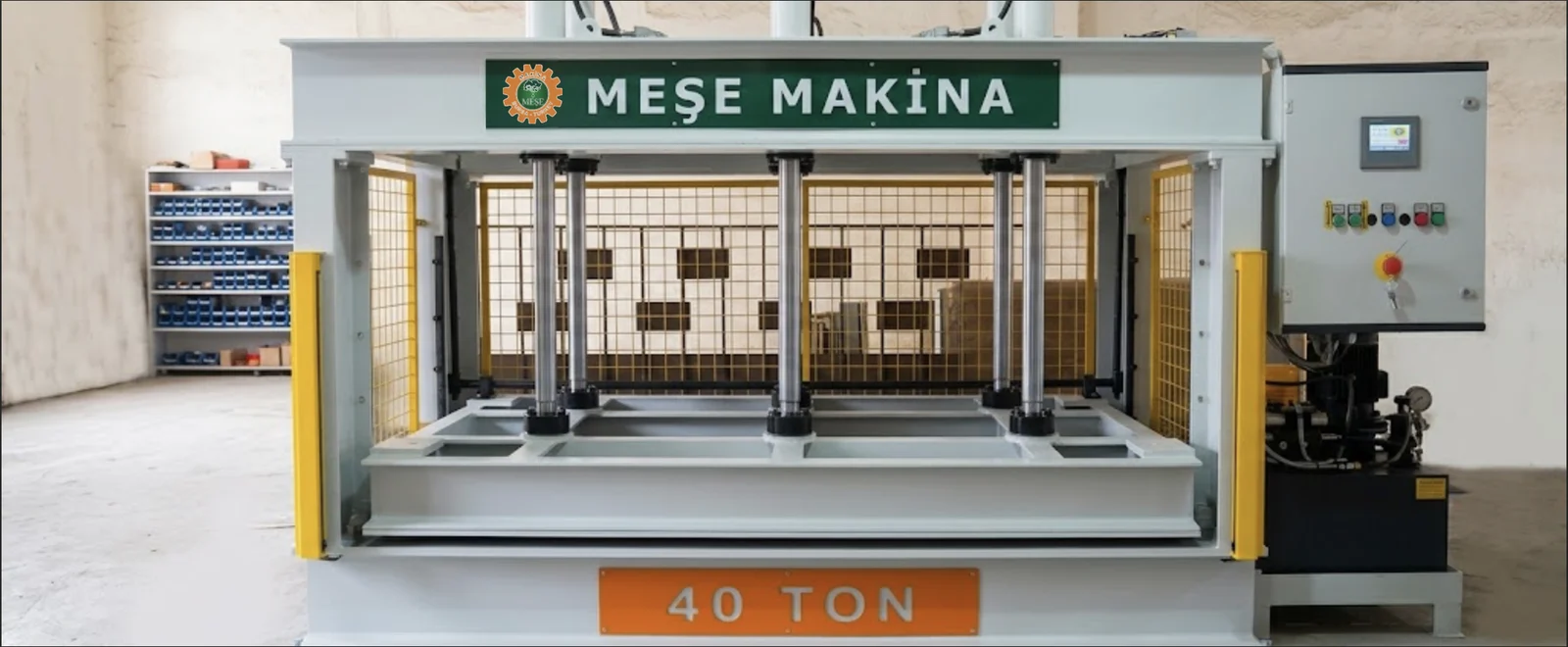
Press machines are used for a wide range of industrial manufacturing operations. Processes such as metal forming, component assembly, compression, molding, and straightening can be performed using different press systems. For many businesses, standard presses are usually the first option, as they are general-purpose machines designed to handle a defined range of applications.
However, standard solutions do not always meet the needs of a production process. Special-purpose hydraulic presses become relevant when complex part geometries, specific operating sequences, or precise process control are required. Because these presses are designed around a particular production requirement, they can offer advantages that standard machines cannot provide.
For this reason, many manufacturing facilities choose custom-designed hydraulic presses over standard presses for certain stages of production.
İçindekiler Tablosu
Applications of Standard Presses
Standard press machines are developed to meet general manufacturing needs. They can be used in numerous applications across different industries and often serve as essential equipment on a production line.
The main reasons for choosing standard presses include:
- Versatility across different operations
- Relatively straightforward installation
- Suitability for a wide range of applications
- Practical solutions for mass production
However, these machines are designed to operate within defined limits, so they may not be sufficient for every production requirement. A different approach may be needed when the part geometry, manufacturing method, or operating sequence falls outside standard configurations.
What Is a Special-Purpose Hydraulic Press?
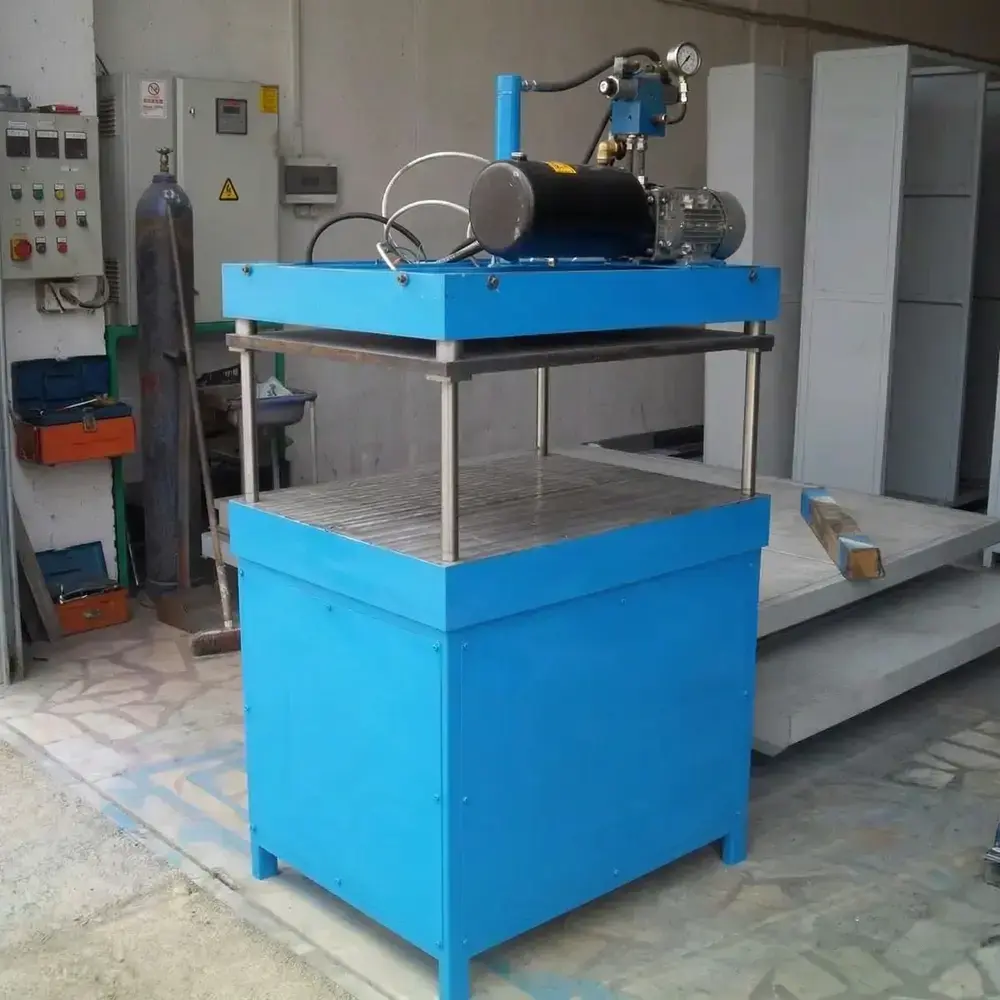
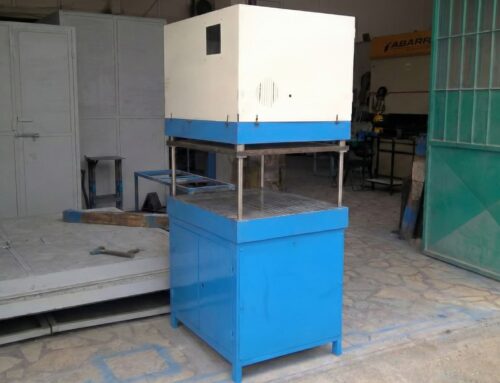
Special-purpose hydraulic presses are press systems specifically designed for a particular manufacturing operation. Unlike general-purpose standard presses, these machines are optimized for a single operation or a limited range of operations.
The machine’s frame, force distribution, motion system, and control mechanism are determined by the component being manufactured or the operation being performed.
For example, custom-designed hydraulic presses can be used to:
- Straighten a specific component
- Apply constant pressure during assembly
- Mold specially shaped parts
- Automate a particular step on a production line
This approach allows the machine to match the exact requirements of the manufacturing process.
When Standard Presses Fall Short
In some manufacturing processes, standard presses may not deliver the required efficiency or precision. In these cases, custom-designed machines can provide a more suitable solution.
Special-purpose hydraulic presses are typically chosen in the following situations.
Complex Part Geometry
The shape or dimensions of a component may be unsuitable for standard press tooling. Irregularly shaped parts, in particular, may require the machine’s design to be adapted accordingly. In heavy or oversized components, the handling method also becomes part of the design, which is where heavy tonnage material turning machines come into play.
Operations Requiring Precise Pressure Control
Certain production steps require very precise control of the pressing force. Hydraulic systems offer an advantage here because pressure can be adjusted more flexibly than in mechanical systems.
A Repetitive, Specialized Production Operation
When a production line repeatedly performs a particular operation, designing a dedicated machine for that task can make the process more efficient.
The Need to Reduce Operator Intervention
In some manufacturing processes, manual intervention can create challenges for both speed and safety. Custom-designed press systems can automate these operations.
Contribution to Production Efficiency
When properly designed, special-purpose hydraulic presses can offer significant advantages in manufacturing. Because these machines are optimized for a specific task, they can help resolve certain problems on the production line.
These advantages include:
- More stable production processes
- Consistent, repeatable quality
- Fewer operator errors
- Shorter processing times
- Fewer production bottlenecks
These benefits can have a significant impact on production planning, particularly in high-volume manufacturing facilities.
Adapting Machine Design to Production Requirements
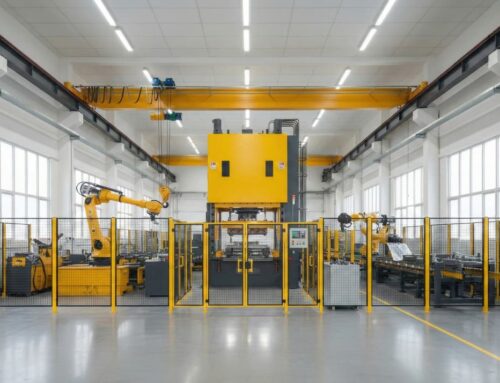
One of the most important aspects of a special-purpose press is that it is designed specifically around production requirements. The design process for these systems usually begins with a detailed analysis of the production line.
The machine’s technical configuration is determined after evaluating part characteristics, the operating sequence, production speed, and safety requirements.
This approach makes the press an integral part of the production line.
Conclusion
Using the same type of press for every manufacturing process is not always the most efficient solution. Although standard presses are suitable for many applications, certain production requirements call for more specialized solutions.
Special-purpose hydraulic presses designed for a particular operation can better match the needs of a production line, helping processes run in a more controlled and consistent manner.
When selecting machinery for a manufacturing facility, it is therefore important to consider the specific requirements of the production process alongside standard solutions. A properly designed press system can directly influence the efficiency and long-term sustainability of the production line.

Leave A Comment