
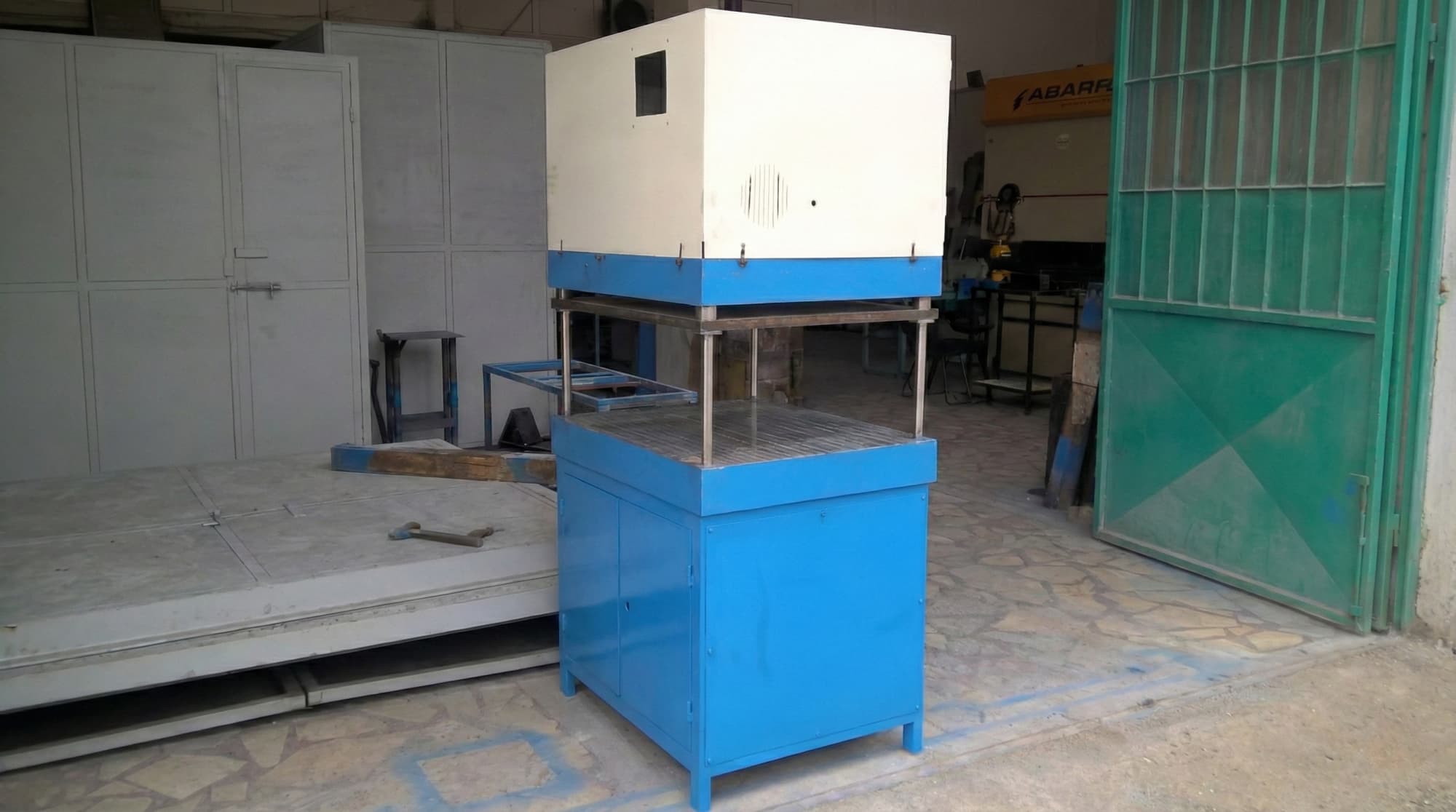
Industrial production processes are not all the same. While standard press machines are sufficient for many manufacturing applications, some processes require much more specialized solutions. Different material types, tight tolerances, high tonnage requirements, or specific forming processes may push manufacturers beyond the capabilities of standard systems. This is exactly where special-purpose hydraulic presses come into play.
Special-purpose hydraulic presses are systems designed and optimized according to a specific production process or product requirement. These machines do more than simply apply force; they also make the production process more controlled, safe, and efficient. When used in the right application, they can improve production quality while providing long-term cost advantages.
İçindekiler Tablosu
How Do Hydraulic Presses Work?
Hydraulic presses generate force using the principle of fluid pressure. Pressure created through hydraulic oil is converted into mechanical movement by means of a piston, allowing operations that require high force to be carried out in a controlled manner.
The main advantages of this technology include:
- High force generation capacity
- Precise pressure control
- Smooth and balanced movement
- A wide range of tonnage options
- Long service life
However, standard presses may not be sufficient for certain production processes. In such cases, special-purpose designs become necessary.
What Is a Special-Purpose Hydraulic Press?
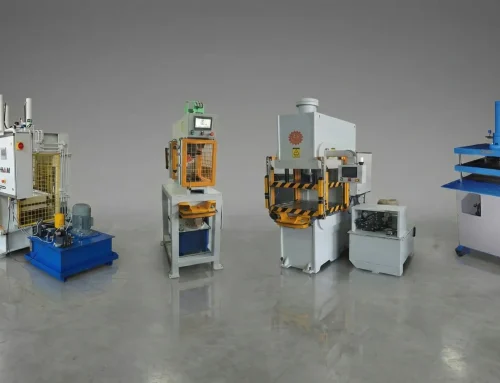
Special-purpose hydraulic presses are systems specifically designed to perform a particular operation as efficiently as possible. The machine frame, pressing geometry, working stroke, pressure distribution, and automation level can all be configured according to the requirements of the application.
For example:
- A standard press may only perform compression,
- while a specially designed press can perform forming, punching, or assembly operations within the same process.
This level of customization helps eliminate unnecessary steps in the production process.
1. Metal Forming Operations
One of the most common application areas for special-purpose hydraulic presses is metal forming. Particularly when thick or high-strength materials need to be shaped in a controlled manner, standard systems may not provide sufficient performance.
In these applications, special-purpose presses can:
- Provide more balanced force distribution
- Reduce unwanted material deformation
- Extend die life
- Help achieve precise dimensions
These types of solutions are widely used in industries such as automotive manufacturing, heavy industry, and machine building.
2. Deep Drawing and Forming Applications
Deep drawing processes require materials to be shaped without cracking or excessive thinning. In these operations, controlled application of pressure is critically important.
Special-purpose hydraulic presses make it possible to:
- Apply pressure gradually
- Keep the material under control throughout the process
- Maintain surface quality
- Reduce scrap rates
These capabilities provide a significant advantage, particularly in the production of precision components.
3. Assembly and Joining Operations
Hydraulic presses are not used only for forming. In some production lines, they are also preferred for joining and assembly processes.
Specially designed systems can:
- Provide controlled pressing force
- Help prevent part deformation
- Ensure consistency in serial production
- Reduce operator-related errors
These solutions are frequently used in the automotive supply industry and mechanical manufacturing.
4. Plastic and Composite Material Processing
Hydraulic press applications are not limited to metal. Plastic and composite materials also play an important role, particularly in the automotive industry and technical plastic manufacturing, where correct pressing force directly affects product quality.
Special-purpose presses can:
- Create pressure profiles suited to the material
- Reduce surface defects
- Support uniform product quality
As a result, the need for post-production correction and rework can be reduced.
5. Die Testing and Prototype Production
During new product development, dies need to be tested before serial production begins. Performing these tests on standard production machinery can be both costly and risky.
Special-purpose hydraulic presses can support prototype and testing processes by:
- Providing a controlled testing environment
- Helping evaluate die performance
- Reducing the risk of errors before serial production
This can also contribute to faster R&D processes.
6. High-Tonnage Applications
Some production processes require extremely high levels of force. Standard machinery may not be capable of meeting these requirements or may experience performance limitations during long-term operation.
Specially designed high-tonnage presses can:
- Provide stable force distribution
- Meet the requirements of heavy-duty industrial applications
- Deliver reliable performance during long-term operation
These systems are particularly important in industries where thick metal components are processed.
7. Production Lines Integrated with Automation
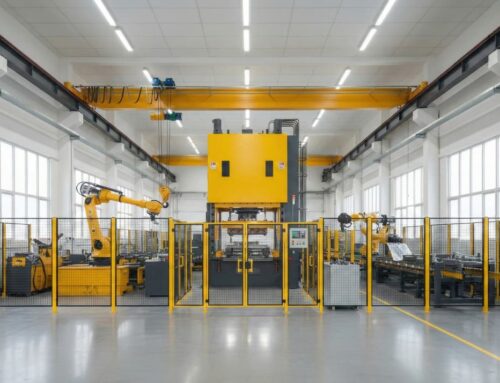
Modern manufacturing processes are becoming increasingly automated. Special-purpose hydraulic presses can be designed to work in integration with robotic systems, automatic feeding systems, and other production line equipment.
This integration can provide:
- Increased production speed
- Reduced need for manual intervention
- Consistent quality standards
- Improved occupational safety
Such solutions offer significant advantages in modern production facilities.
Why Is Choosing the Right Hydraulic Press Important?
Every production process has different requirements. For this reason, a single machine cannot meet every manufacturing need. Selecting the wrong press can lead to:
- Unnecessary energy consumption
- Increased die wear
- Lower production speed
- Higher maintenance costs
For this reason, customized solutions designed according to actual process requirements can become a more efficient and economical investment in the long term.
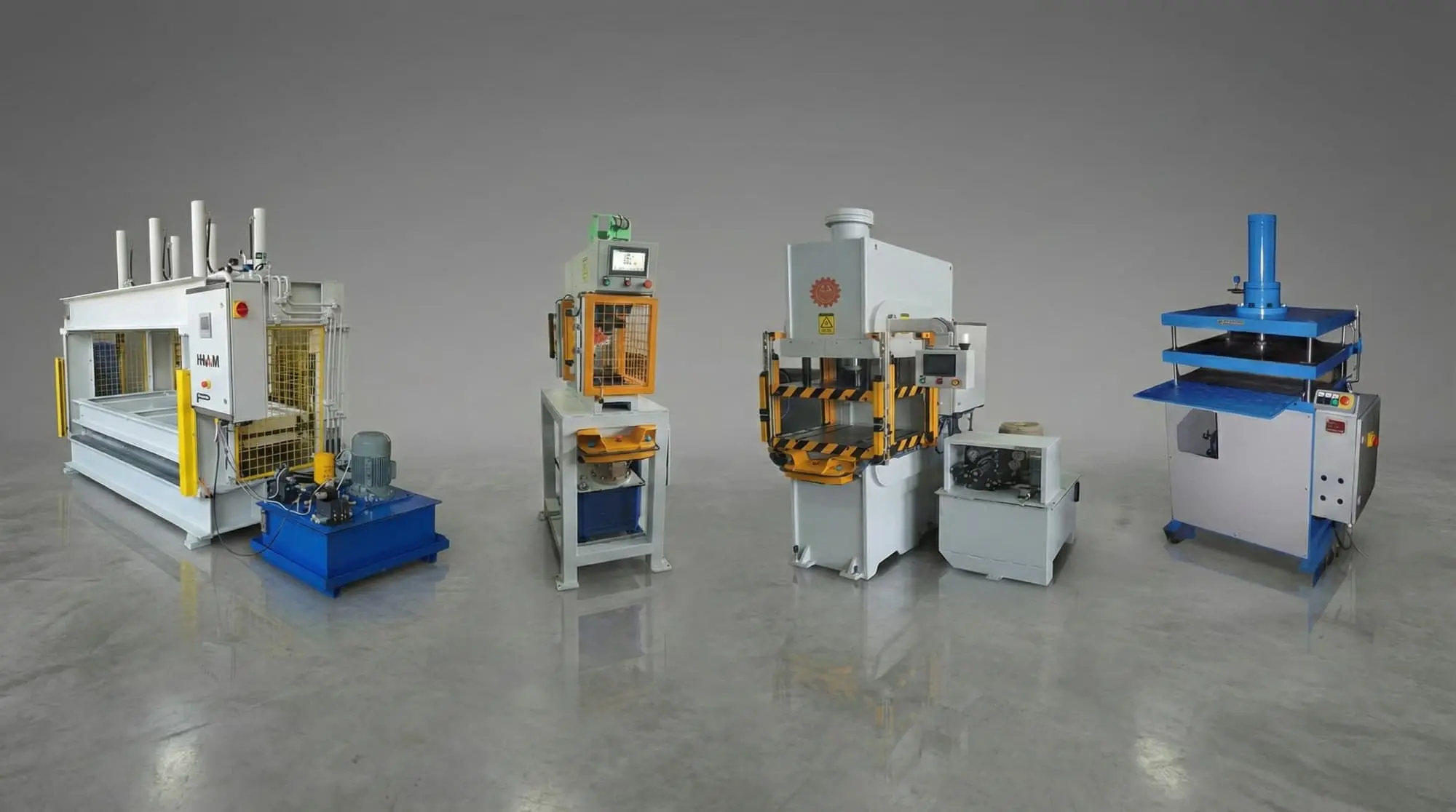
Custom Press Solutions from Meşe Makina
To achieve maximum efficiency in manufacturing processes, machine design should match the specific requirements of the production process. Meşe Makina develops special-purpose hydraulic press solutions by analyzing the production requirements of different industries.
With systems designed for metalworking, press shop applications, and specialized production processes, Meşe Makina helps manufacturers achieve more controlled, safe, and efficient production.
Every production line has its own requirements, and selecting the right machine requires both technical expertise and practical field experience. For this reason, custom-designed solutions can provide significantly better performance than standard systems when the production process requires a specialized approach.
Conclusion
Special-purpose hydraulic presses provide flexibility and efficiency in production processes where standard manufacturing solutions are not sufficient.
From metal forming and assembly operations to plastic processing and high-tonnage applications, these systems offer important advantages such as:
- Precise control
- High production quality
- Lower defect rates
- Long service life
For manufacturers aiming to remain competitive in today’s industrial environment, machinery solutions designed around specific production requirements have become one of the key elements of efficient manufacturing.

Leave A Comment