
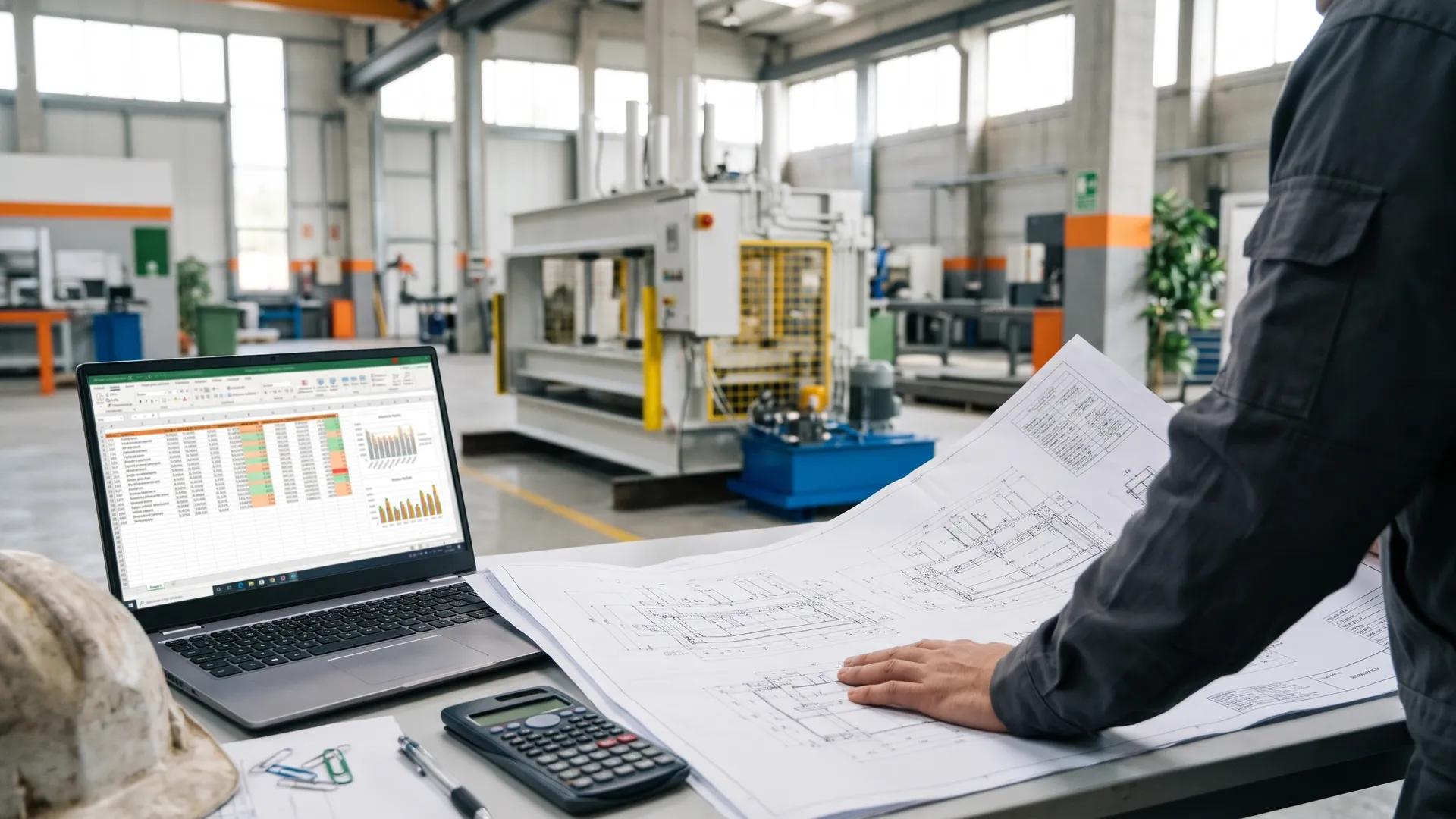
When investing in custom machinery, the real risk is often not the purchase price itself, but whether the machine can meet the actual production requirements. A machine with insufficient capacity, poor compatibility with an existing production line, or unnecessary features can lead to unexpected costs.
For this reason, a feasibility study and cost analysis should be carried out before custom machine manufacturing begins. A feasibility study addresses three essential questions: Is the project technically feasible? What will the total investment cost? How long will it take for the investment to pay for itself?
Looking for a machine that fits your production requirements? Meşe Makina offers custom machinery solutions to help you plan your investment correctly from the outset.
İçindekiler Tablosu
Steps in a Feasibility Study
A feasibility study involves more than determining whether a machine can be manufactured. The company’s existing production conditions, capacity targets, investment budget, and potential risks must all be considered.
1. Identifying Production Requirements
The first step is to identify problems in the existing production process. Insufficient capacity, high scrap rates, long cycle times, excessive labor requirements, or safety risks may justify investing in new machinery.
2. Defining Technical Requirements
Machine capacity, operating speed, dimensional tolerances, automation level, and the materials to be processed must be clearly defined. If the machine needs to connect to an existing production line, the necessary mechanical and electrical interfaces should also be specified.
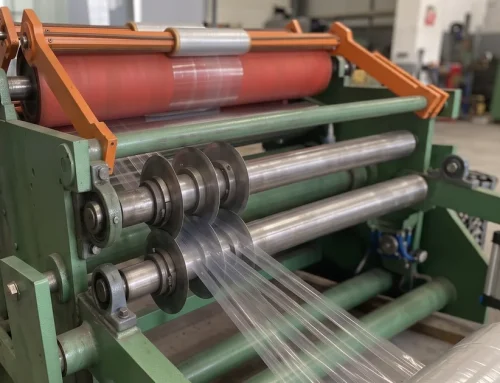
For example, in a packaging slitting machine project, the material type, roll width, cutting accuracy, and target production speed should be established at this stage.
3. Evaluating Technical Feasibility
This stage determines whether the required performance can be achieved using available technologies and under actual production conditions. Engineering calculations, simulations, or practical trials may be necessary.
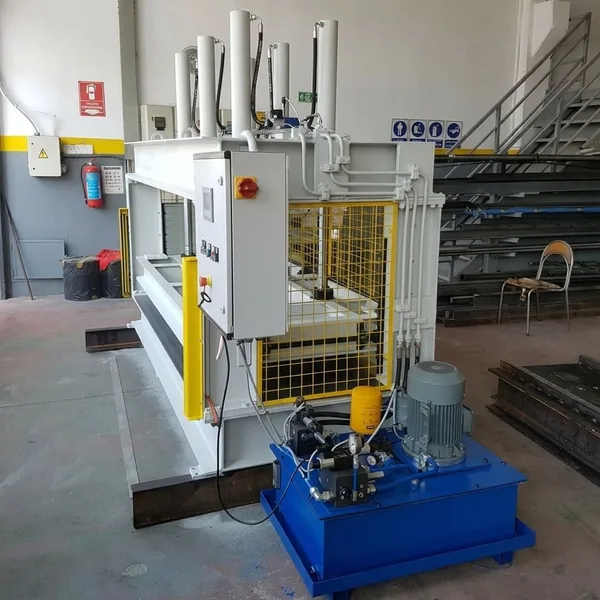
It is also important to consider whether a standard machine can meet the requirements. For a more detailed discussion, see our article When Should You Choose a Special-Purpose Hydraulic Press Over a Standard Press?.
4. Conducting a Cost Analysis
Costs associated with design, materials, manufacturing, automation, assembly, testing, and commissioning are calculated. The analysis should cover not only the initial purchase price but also maintenance and energy costs throughout the machine’s operating life.
5. Evaluating Payback and Risks
Expected improvements in production capacity, labor savings, and reductions in scrap rates are estimated. The investment’s payback period is then calculated.
Potential risks, including technical delays, production downtime, and maintenance requirements, should also be assessed.
What Factors Affect the Cost of Custom Machinery?
The cost of a custom machine depends on more than its physical size or production capacity. Automation level, required precision, and technical components can also significantly influence the total investment.
Two machines performing similar functions may have considerably different costs because of their specific production requirements.
The main cost factors include:
- Capacity and tonnage: Applications requiring high pressing force or load-handling capacity may need more robust mechanical structures, hydraulic systems, and drive components.
- Material and component selection: Frame materials, motors, sensors, hydraulic equipment, and control components all contribute to the overall cost.
- Automation level: Manual, semi-automatic, and fully automated systems involve different investment requirements.
- Precision requirements: Tight dimensional tolerances may require advanced measurement and control systems.
- Production line integration: Connecting a machine to existing presses, robots, conveyors, or other equipment may involve additional engineering work.
- Occupational safety: Machine guards, safety sensors, safety-related control systems, and measures required by applicable standards must be incorporated into the design.
- Commissioning and training: Installation, testing, operator training, and the transition to production should be included in the investment budget.
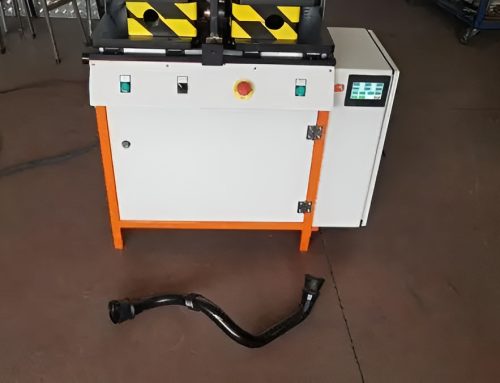
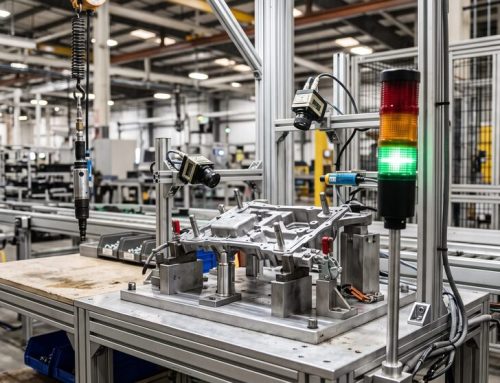
For example, error prevention and inspection requirements are particularly important in Poka-Yoke machines, while cycle time, part handling, and production line integration are key considerations in automatic boxing machines.
Meşe Makina helps manufacturers make effective use of their investment budgets by developing custom machinery solutions tailored to their actual production requirements.
How to Calculate the Payback Period of a Custom Machinery Investment
One of the key indicators used to evaluate the financial feasibility of a machinery investment is its payback period.
The simple payback period is calculated using the following formula:
Payback Period (Years) = Total Investment Cost / Annual Net Cash Benefit
Illustrative example: Suppose a custom machinery investment has a total cost of 100 units and generates an annual net cash benefit of 40 units.
100 / 40 = 2.5 years
In this example, the investment has a simple payback period of 2.5 years.
However, the calculation should not focus solely on labor savings. Reductions in scrap rates, additional net earnings generated by increased production capacity, maintenance expenses, and energy consumption should also be considered.
Other benefits, such as reduced workplace accident risks, improved product quality, and greater production reliability, may not always be easy to express in monetary terms.
The simple payback calculation does not account for the time value of money. For larger investments, additional financial evaluation methods, such as Net Present Value (NPV) and Internal Rate of Return (IRR), can provide a more comprehensive assessment.
What Information Should You Prepare Before Requesting a Custom Machinery Quote?
To prepare an accurate technical quotation, the manufacturer needs a clear understanding of the customer’s production requirements and operating conditions.
Before requesting a quote, it is useful to prepare the following information:
- Production problem: What specific issue needs to be resolved in the existing process?
- Material information: What are the dimensions, weight, technical drawings, and material properties of the workpieces?
- Capacity requirements: What are the target hourly or daily production volumes and cycle times?
- Facility conditions: How much space is available, what infrastructure is in place, and are there any access or installation restrictions?
- Integration requirements: Which existing machines or automation systems must the new equipment connect to?
- Safety and quality requirements: Which standards, tolerances, and inspection procedures must be followed?
- Budget and schedule: What is the target investment budget, and when must the machine be delivered?
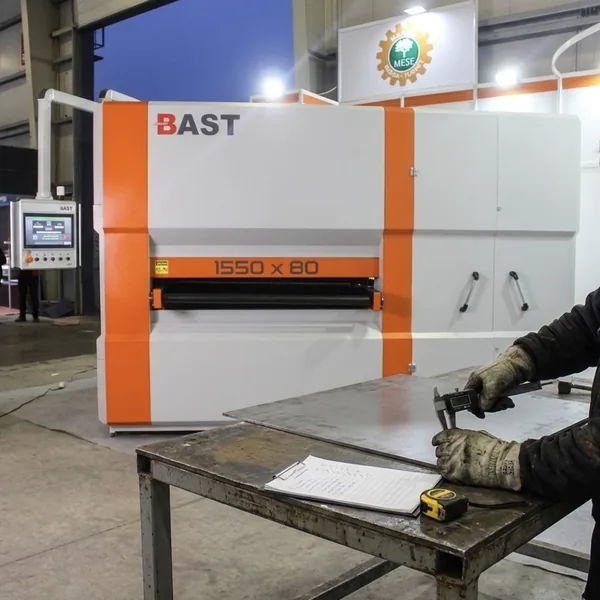
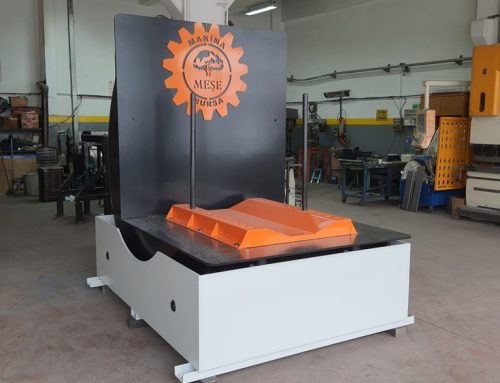
This information is particularly important for equipment such as special-purpose hydraulic presses, heavy-tonnage material turning machines, and BAST sheet leveling machines, where technical specifications can vary significantly depending on the application.
You can explore solutions for different manufacturing applications on our Products page.
A Thorough Feasibility Study Is the Foundation of a Sound Machinery Investment
Successful custom machinery investments depend on accurately identifying production requirements and evaluating the proposed technical solution from a financial perspective.
A well-prepared feasibility study helps reduce unnecessary costs and enables manufacturers to make more informed investment decisions.
If you are planning a new production line or looking to improve an existing system, you can discuss your project’s technical requirements with Meşe Makina.
To discuss your project and request a quotation tailored to your requirements, please contact us.

Leave A Comment