
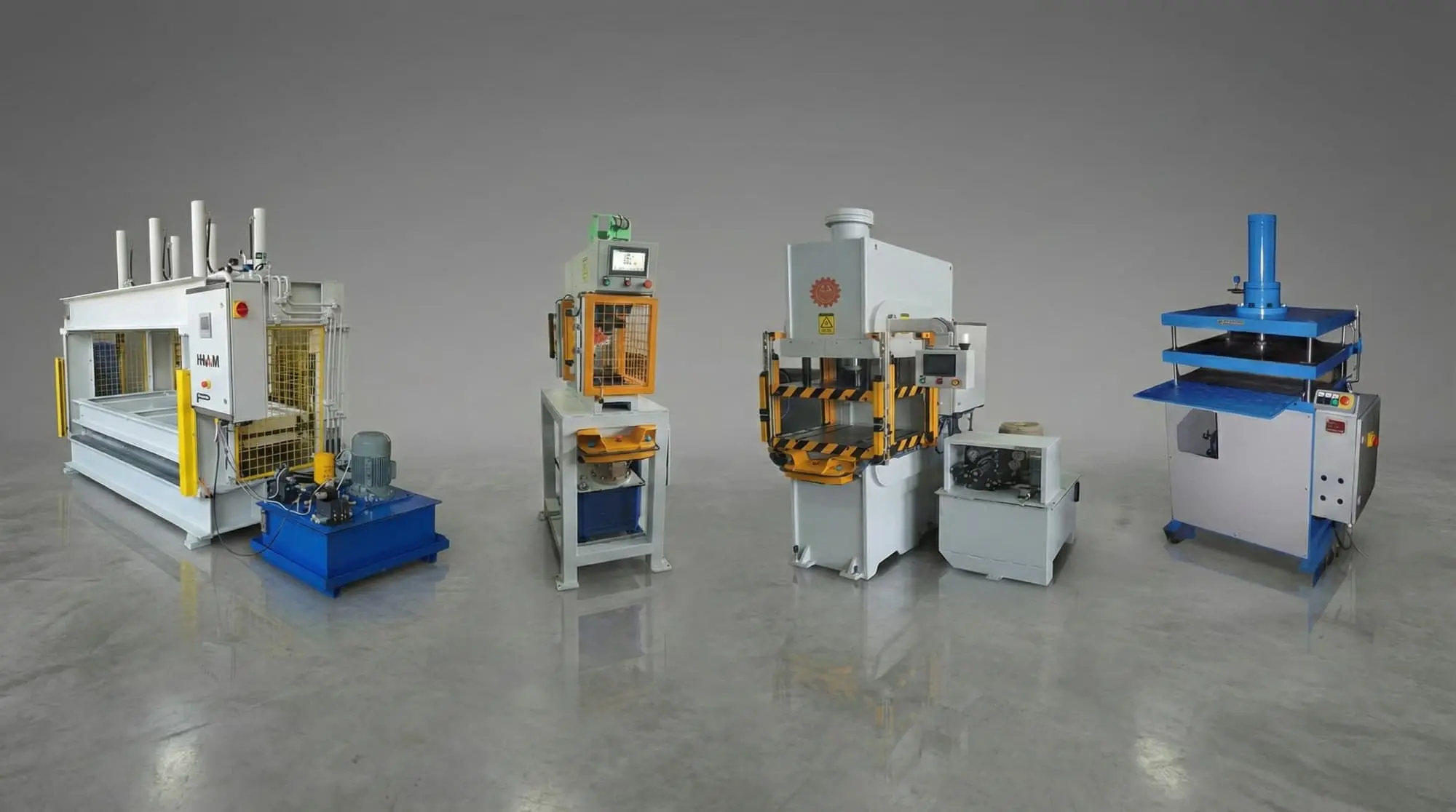
Investing in machinery for industrial production is not simply a matter of purchasing equipment. The choices made directly affect production capacity, costs, product quality, and long-term competitiveness. Despite this, many businesses make some fundamental mistakes during the investment process. Even if these mistakes are not immediately noticeable, they can lead to serious consequences over time, such as loss of efficiency, higher maintenance costs, and production disruptions.
To make the right decision, it is important to first understand the most common mistakes. This is because many investment problems are caused not by the technical capabilities of the machine, but by poor planning and insufficient analysis.
İçindekiler Tablosu
1. Investing Without Fully Analyzing the Actual Need
One of the most common mistakes is selecting a machine without fully understanding the existing production problems. Some businesses may want to increase capacity when the real issue lies in the process flow. Others may focus on increasing speed while overlooking weaknesses in the quality control stage.
Before investing in machinery, the following questions should be clearly answered:
- Where is the real bottleneck in production?
- Is the priority capacity, quality, or speed?
- How will the machine be integrated into the existing production line?
- Is the machine easy enough for operators to use?
An investment made without answering these questions may fail to deliver the expected efficiency. A powerful machine will not improve production performance if it is placed at the wrong point in the process.
2. Focusing Only on the Initial Purchase Price
Many businesses focus only on the initial purchase price because of budget constraints. However, with industrial equipment, much of the actual cost often emerges during operation.
A machine that initially appears to be less expensive may:
- Break down more frequently
- Create difficulties in spare parts availability
- Consume more energy
- Reduce operational efficiency
For this reason, the total cost of ownership should be considered when making an investment decision. Energy efficiency, maintenance frequency, and service support are among the most important factors determining long-term costs.
3. Failing to Consider Future Production Plans
A machine that seems sufficient today may become inadequate within a few years. This is particularly common in businesses with growth targets.
When investing in machinery, not only the current order volume but also future production scenarios should be considered. Features such as modular design, the ability to expand capacity, and adaptability to different products can provide significant long-term advantages.
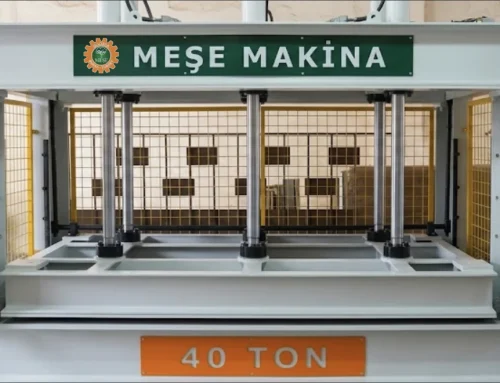
At this point, some companies prefer to work with manufacturers that offer solutions suitable for flexible production structures. For example, Meşe Makina develops customizable systems based on production requirements and aims to support businesses in creating more sustainable investment plans.
You may also like: Long-Term Planning in Machinery Investments
4. Overlooking Operator Experience
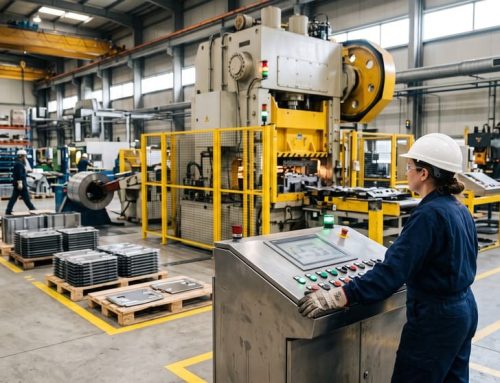
No matter how advanced a machine is, the effectiveness of the investment will be reduced if the operator cannot use it efficiently. Complex control panels, difficult maintenance procedures, or poorly designed work areas can increase the risk of production errors.
When selecting a machine, the following factors should be considered:
- User-friendly control systems
- Compliance with safety standards
- Easy access for maintenance
- A short and practical training process
Operator-focused design helps reduce production errors and improve workplace safety in the long term. Machine guarding and operator-focused safety equipment play an important role here.
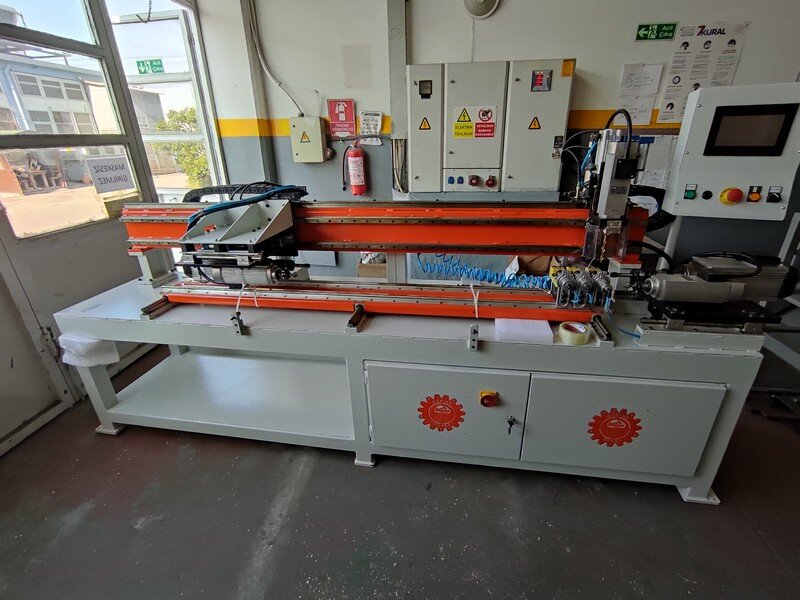
5. Failing to Evaluate After-Sales Support and Service
One of the most critical aspects of machinery investment is after-sales service. In the event of a failure, slow technical support can stop the production line and lead to significant losses.
For this reason, the following points should always be evaluated before making an investment:
- Technical service response time
- Spare parts availability
- Remote support options
- Periodic maintenance services
Manufacturers that can provide reliable technical support and establish long-term business relationships offer a significant advantage. This is why businesses should evaluate not only the equipment itself, but also the manufacturer’s approach to service and support.
6. Failing to Test Compatibility with the Production Process
Some businesses put a machine into production immediately after installation and then encounter performance problems. One of the main reasons for this is that process compatibility was not evaluated sufficiently before the investment.
Especially for businesses with customized production requirements, steps such as:
- Sample production tests
- Pilot trials
- Technical analysis
are important. These stages help identify potential problems at an early stage, particularly for special-purpose machines designed for a specific production process.
7. Choosing Short-Term Solutions Instead of Long-Term Efficiency
Businesses looking for quick results may sometimes prefer short-term solutions. However, when it comes to industrial production, long-term sustainability is more important.
Factors such as durability, energy efficiency, ease of maintenance, and production continuity determine long-term success. For this reason, machinery investment should be viewed not simply as a cost, but as a strategic production decision.
Companies that accurately analyze their production needs and combine them with the right technology can gain a competitive advantage. Meşe Makina, which follows this process-oriented approach, develops systems designed to support production efficiency.
Conclusion
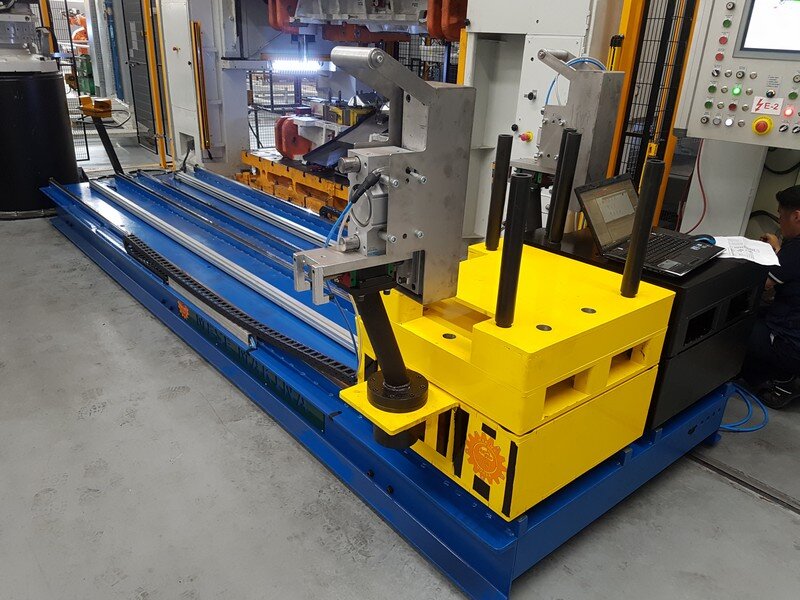
Investing in machinery for industrial production can provide businesses with advantages for many years when planned correctly. However, investments made without a proper needs analysis, based only on price, or with a short-term perspective often fail to deliver the expected results. If you are planning a new machinery investment, you can review our product range or contact us for a technical assessment.
For a successful investment:
- Production needs should be clearly analyzed
- Long-term costs should be calculated
- Operator experience should be taken into account
- Service and technical support should be evaluated
- Future production targets should be considered
Choosing the right machine shapes not only today’s production but also future growth. For this reason, every machinery investment should be treated as an important part of the overall production strategy.
Related articles

Leave A Comment