
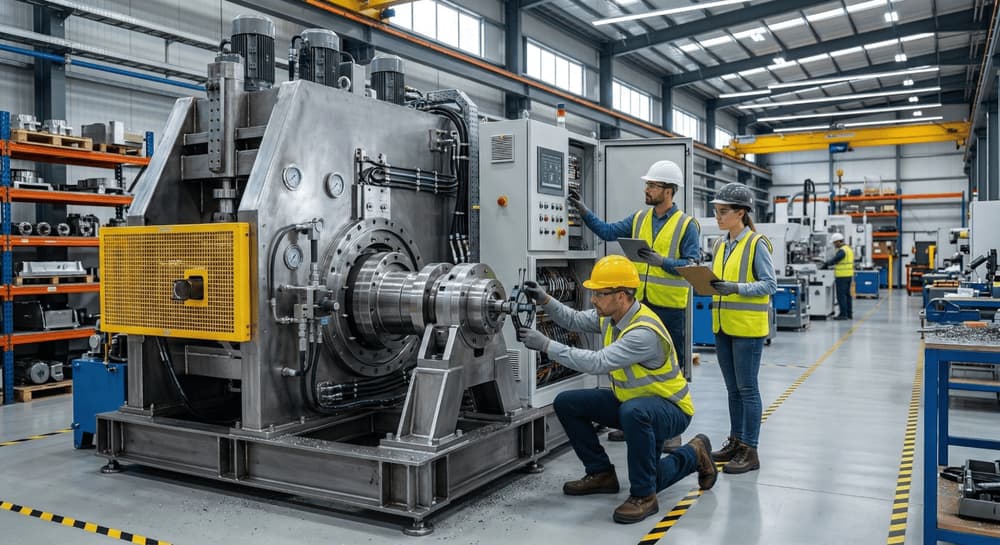
Success in machinery manufacturing is not measured only by completing production. It is just as important that the machine produced is durable, reliable, efficient, and able to operate smoothly in the field. For this reason, quality and safety are two essential elements that should never be considered separately in machinery manufacturing. If a machine has high quality but weak safety, or if safety is prioritized but production quality is insufficient, the result cannot be considered truly strong. For solid machine production, these two elements must be handled together.
Especially in machines used in industrial production, quality and safety directly affect business performance. A machine is not simply a piece of equipment. It is also a key investment that affects production line continuity, employee safety, and the overall efficiency of the business. That is why the understanding of quality and safety in machinery manufacturing should be planned together from the design stage onward.
İçindekiler Tablosu
Why is quality not only about material quality?
When quality in machinery manufacturing is mentioned, the first thing that often comes to mind is the strength of the materials used. Of course, material quality is important, but quality is a much broader concept than that. Design accuracy, dimensional precision, part compatibility, assembly quality, operational stability, and service life are also among the main factors that determine quality. With this awareness, Meşe Makina continues to improve through R&D efforts and customer demands, addressing quality not only in materials but throughout the entire production process.
A machine may be produced with strong materials. However, if the system is not designed properly, if the parts do not work in harmony, or if it does not provide stable performance during use, it becomes difficult to describe that machine as high quality. Real quality is not simply about appearing strong at first glance, but about offering a reliable whole throughout production and use.
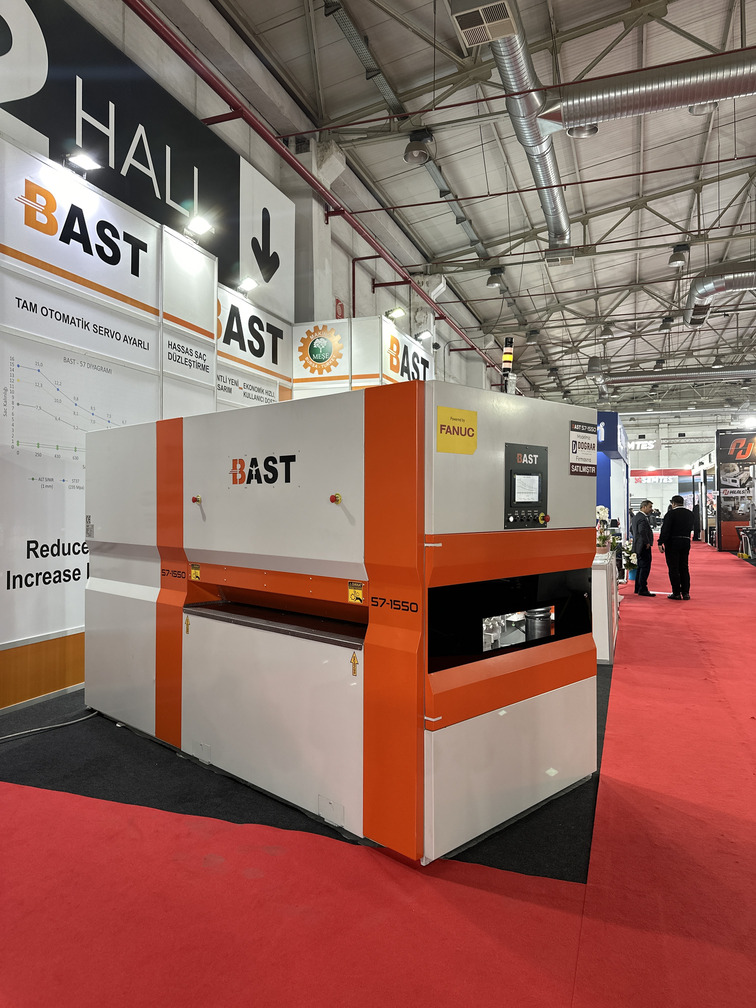
Why is safety an inseparable part of manufacturing?
Safety is often seen as a detail to be added after production is completed. However, this is not the right approach. Thinking about safety elements later can negatively affect both design quality and machine performance.
In machinery manufacturing, safety means protecting the operator, controlling hazardous areas, reducing user errors, and minimizing possible dangers that may occur during operation. Moving parts, pressure points, cutting surfaces, high-force systems, and automated working areas should all be evaluated carefully in this respect.
No matter how efficient a machine is, if it does not offer safe operation, it cannot become a sustainable solution for a business. Workplace safety does not only protect employees; it also reduces downtime, production losses, and unexpected costs.
How are quality and safety planned together?
To ensure quality and safety together, the process must be set up correctly from the very beginning. This approach should be reflected in all stages of design, production, assembly, and testing.
The first step is to clearly define the purpose of the machine. It should be analyzed correctly which sector it will be used in, what material it will work with, what level of capacity is expected, and under what environmental conditions it will operate. This is important because quality expectations and safety needs are shaped according to the machine’s function.
The second step is the design process. Design should not be done only to make the machine work, but to ensure that it works safely and in a balanced way. Part placement, body structure, moving mechanisms, access points, and operator interaction should all be considered together at this stage.
The third step is production and assembly quality. A good design will not deliver the desired result if workmanship is poor. Likewise, even high-quality parts can lose their value through incorrect assembly. For this reason, every stage of machinery manufacturing must proceed under control.
What should be considered during the design stage?
The most critical stage in establishing quality and safety together is design. Many of the problems encountered in the field are actually directly related to decisions made during the design stage.
In machine design, the strength of the system and its operational balance must first be taken into account. Vibration, load distribution, pressure points, repeated movements, and continuous usage conditions must be calculated correctly. This is a fundamental requirement in terms of quality.
At the same time, on the safety side, risky contact areas, pinch points, operator intervention zones, and the possibility of unexpected movement must also be evaluated. It should be considered in advance how the user will approach the machine, which areas they will access, and under what conditions risks may arise.
Thanks to this approach, the machine becomes strong in technical terms while also offering a more controlled structure during use.
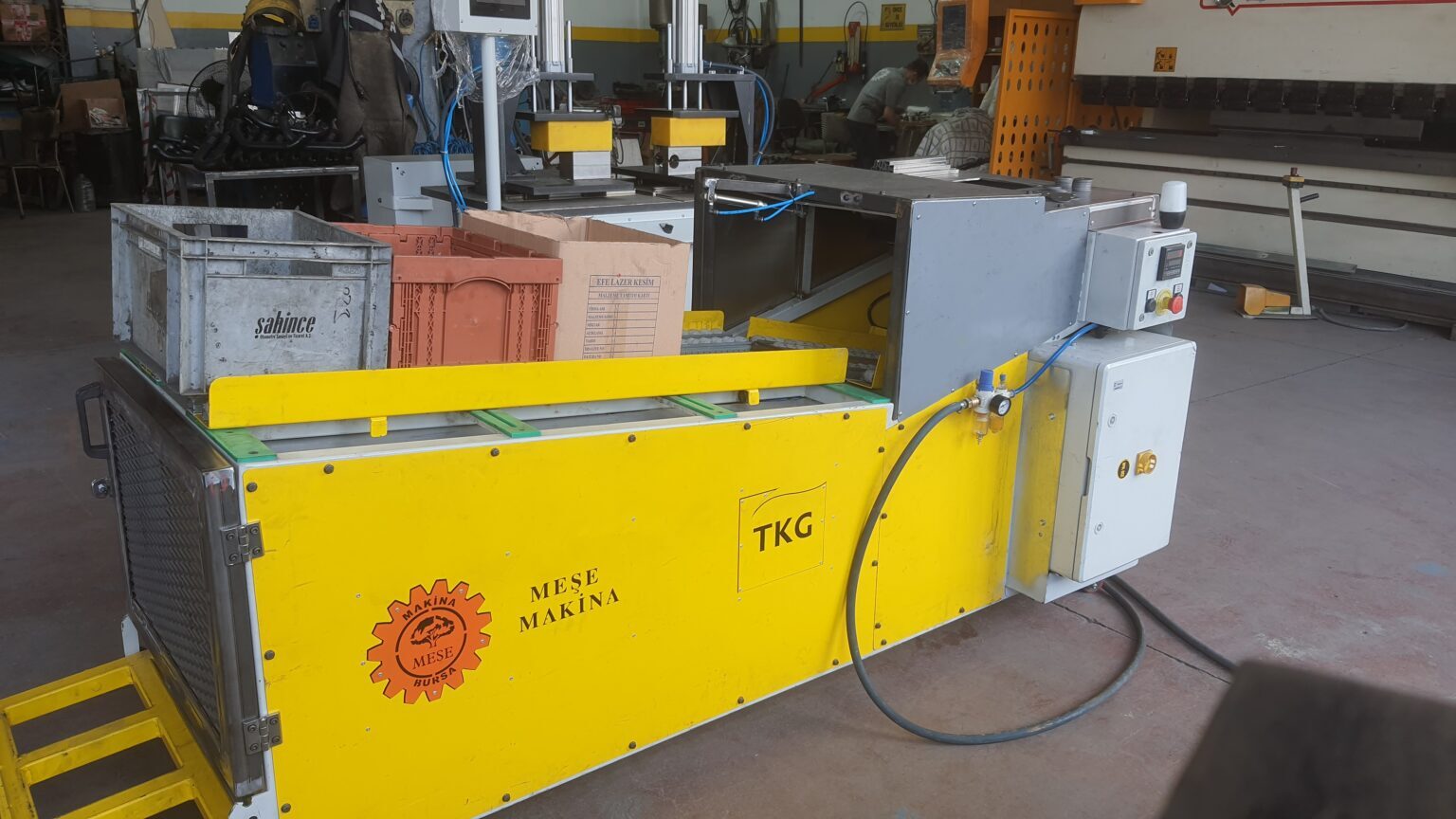
How does production quality affect safety?
There is a direct link between production quality and safety. Dimensional errors, weak connections, unbalanced assembly, poor workmanship, or incompatible part usage do not only reduce machine performance; they can also increase safety risks.
For example, a poorly aligned system may increase wear over time. An unbalanced mechanism may create unexpected vibrations. Weak connections may lead to loosening parts in the long run. All of these can result in both a loss of quality and a weakness in safety.
For this reason, quality production is one of the basic requirements of safe machinery manufacturing. Safety does not begin only by adding protective equipment; it begins with the machine being structurally solid and produced in a controlled way.
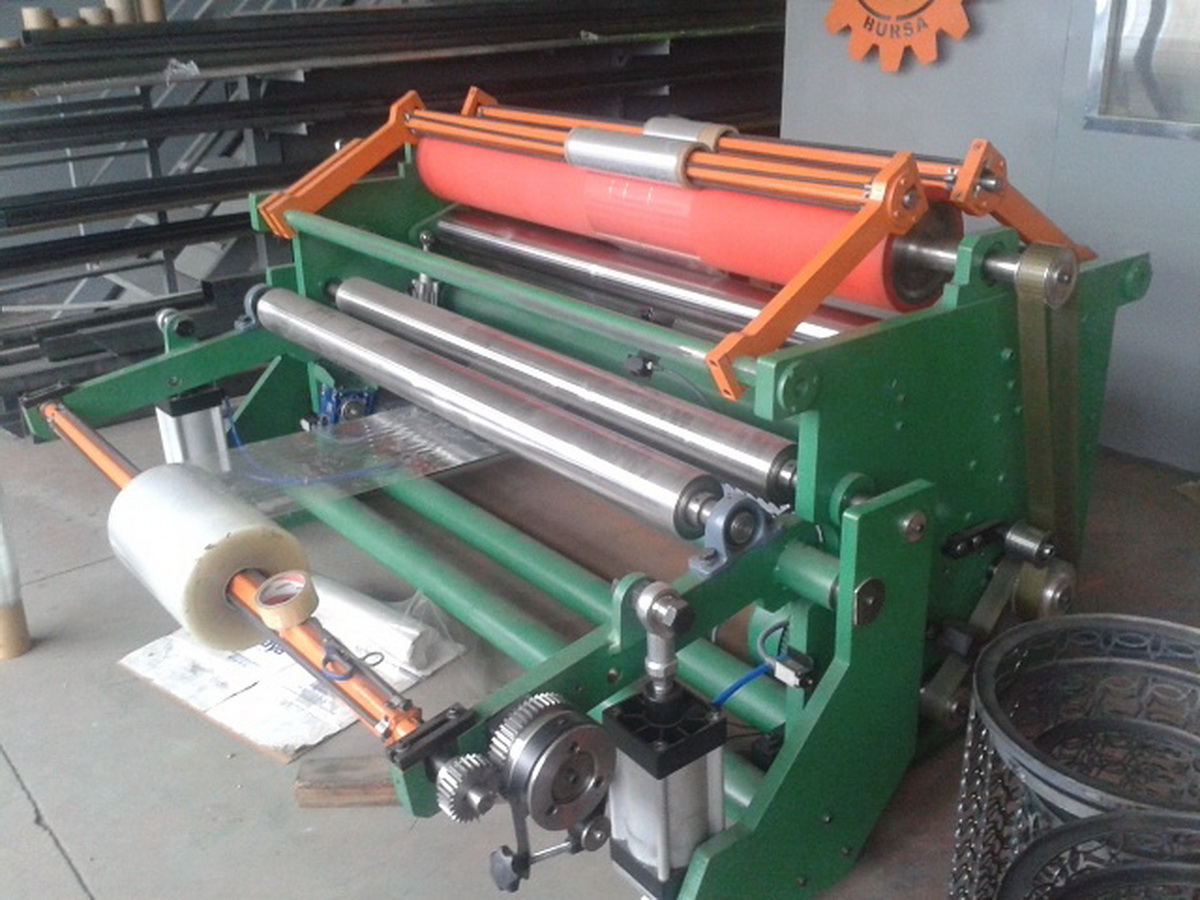
Why is an operator-focused approach important?
No matter how advanced a machine is, it ultimately works together with people. For this reason, the operator’s user experience is highly important in terms of both quality and safety.
The control panel should be easy to understand, intervention points should be positioned logically, maintenance areas should be accessible, and the usage process should not create unnecessary risks. If the operator can use the machine comfortably and in a controlled manner, the likelihood of error decreases. This positively affects both production quality and workplace safety.
Complex systems that are difficult to understand or unsuitable for field conditions may increase user errors over time. That is why user-friendly design is also one of the shared areas of quality and safety.
Why are testing and control processes necessary?
In machinery manufacturing, quality and safety can only be confirmed through testing. A system that appears correct in theory may produce different results under actual operating conditions. For this reason, once manufacturing is complete, the machine should be evaluated from various angles.
Operational stability, movement balance, performance under load, emergency response, accuracy of control systems, and operator interaction should all be reviewed. The testing process is important not only for identifying current problems, but also for detecting possible risks early.
If control and testing stages are not given enough importance, issues that seem minor in the field may turn into major problems over time. This can damage both the perception of quality and the level of safety.
Why should quality, occupational safety, and environmental awareness be considered together?
Today, in machinery manufacturing, it is no longer considered sufficient to produce only strong and durable products. Safe operation, a sustainable approach, and environmental awareness have also become important. Modern production understanding now requires a more holistic perspective.
More efficient systems can reduce energy loss. Machines that operate regularly and in a controlled way can reduce waste rates. A safe and balanced production approach supports the long-term performance of the business. For this reason, quality, occupational safety, and environmental awareness should not be evaluated as independent elements, but as complementary ones.
This approach is also important from a corporate perspective. Being a trustworthy machine manufacturer is possible not only by delivering machines, but by offering solutions produced with safety, quality, and a sense of responsibility.
Conclusion
In machinery manufacturing, quality and safety are not separate topics. On the contrary, they are two essential parts of a solid and sustainable production approach. It would not be correct to reduce quality only to material selection and safety only to protective measures. Real success is achieved when the entire process, from design to production and from assembly to testing, is shaped around these two principles.
In machines developed for industrial use, the goal is not only to function, but to function safely and consistently. For this reason, a machinery manufacturing process in which quality and safety are planned together produces much stronger results for both the manufacturer and the user.

Leave A Comment