
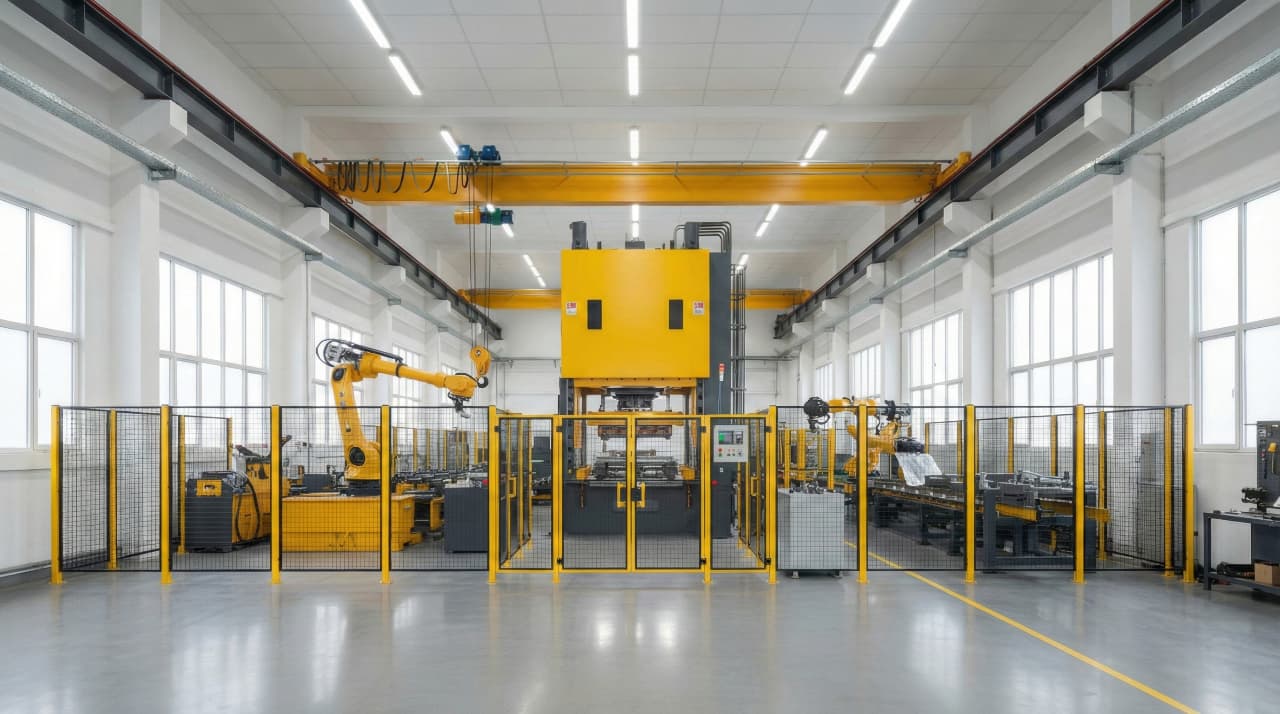
Establishing an efficient production system in industrial facilities is not limited to simply purchasing the right machines. The placement of machines within the facility is just as important as their technical specifications. This is because machine placement directly affects production flow, operator movement, ease of maintenance, safety, and space utilization. Incorrect placement can lead to slowdowns in production, unnecessary transportation, disorganization, and additional costs, even with a powerful machinery park. Therefore, machine placement should be considered one of the most critical stages of facility planning.
Why Is Machine Placement So Important?
It is not enough for a machine to simply be operational. How it is connected to the production line, how comfortable it is for the operator to use, and how it affects material input and output are also crucial. Correct placement helps create a more organized production process. The operator wastes less time, material flow becomes more controlled, and maintenance becomes easier.
In poorly planned facilities, the problem is often not between the machine and the product, but between the space and the process. Even if a machine has the appropriate capacity, incorrect placement can create bottlenecks in production. For this reason, machine placement should not be viewed solely as a matter of physical space.
First Step: Correctly Understanding the Production Flow
When planning machine placement, the production process must first be clearly analyzed. The answers to questions such as where raw materials enter the facility, what processes they go through, at what stage delays occur, and where the final product exits form the basis of the layout plan.
If the production process has a linear flow, the machines should be arranged accordingly. However, in many facilities, this logic is ignored, which leads to unnecessary material transfer from one point to another. This creates time loss and makes the workflow more complicated. The goal when preparing a layout plan is to ensure that production moves along a shorter, clearer, and more organized route.
Thinking Not Just About Today, but Also About the Future
One of the most common mistakes in machine placement planning is designing the facility only according to current needs. However, many production facilities grow over time, add new product lines, or aim to increase capacity. If these possibilities are not considered during the initial setup, space shortages can quickly become a problem.
Therefore, when preparing a layout plan, the possibility of adding new machines, expanding lines, or changing the production setup in the future should also be taken into account. Leaving some areas flexible in facilities with growth potential can reduce the cost of major dismantling and reinstallation work later on. Plans made without long-term thinking may seem sufficient in the short term, but they can create problems in the medium term.
How Should Space Use Be Evaluated?
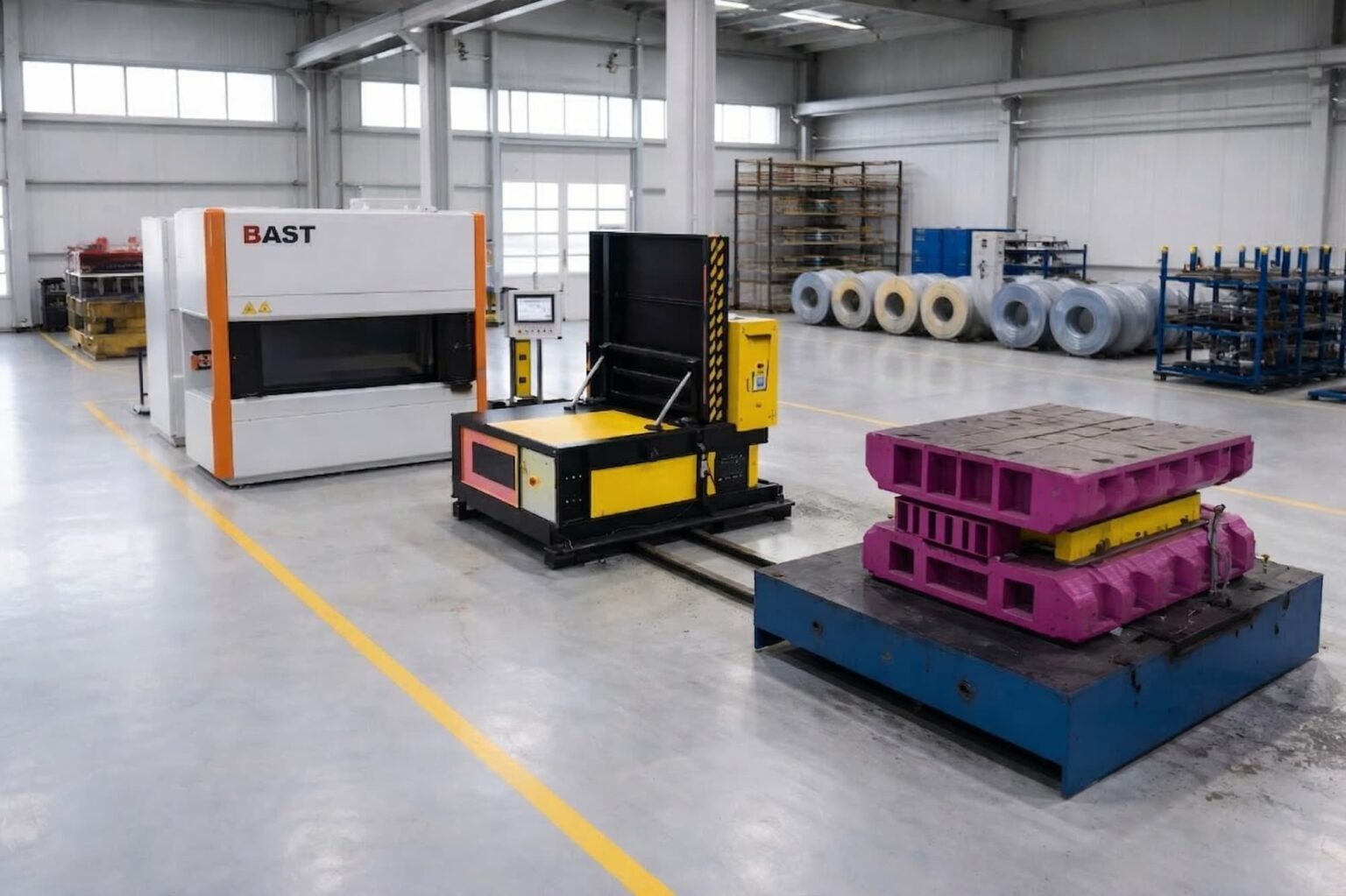
Just because a machine fits into a certain area does not mean the placement is correct. The actual usable space of a machine is not limited to its external dimensions. Operator movement, material loading and unloading zones, maintenance access, and any auxiliary equipment should all be considered.
Overcrowded placements may seem to save space at first glance. In reality, they often create inefficiency on the production floor. Operators cannot work comfortably, maintenance becomes harder, passageways become narrower, and safety risks increase. For that reason, empty spaces should not always be seen as wasted areas, but as elements that support production quality.
Why Should Operator Movement Be Considered?
In machine placement planning, not only equipment movement but also human movement should be considered. The operator’s movements throughout the day, the equipment they frequently access, and the amount of unnecessary movement during production should all be carefully evaluated.
In facilities where operators constantly need to move between different areas, both time loss and fatigue increase. This can also raise the risk of errors in production. A simpler and more organized placement makes the operator’s work easier. Especially in mass production facilities, even a few extra seconds of movement can add up to significant time loss overall.
Safety Distances Should Be Part of the Planning
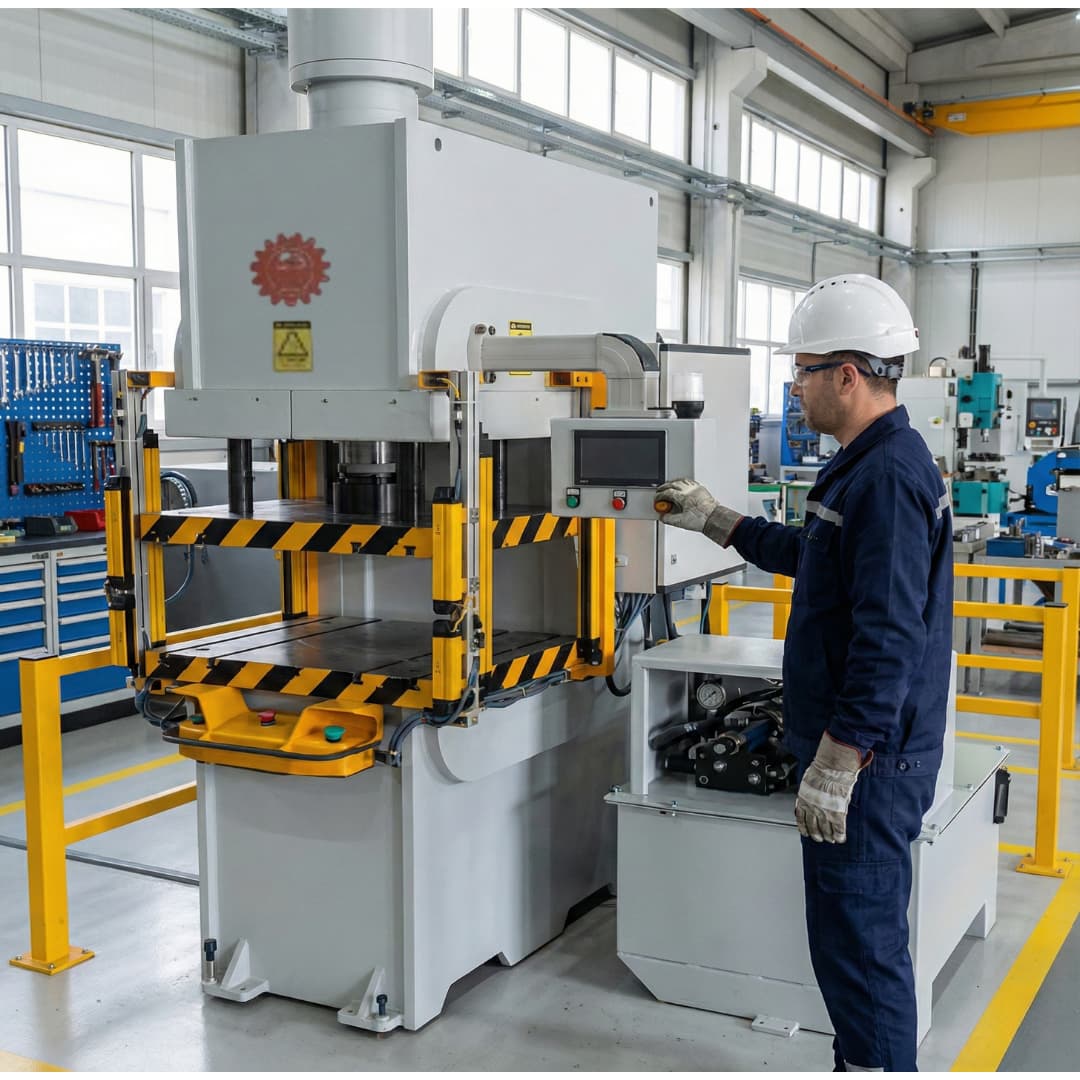
Safety in machine placement is not something to think about afterward. Passageways, forklift routes, emergency exits, maintenance zones, and operator safety should all be considered together during the planning stage. Narrow passages or cramped work areas can create serious risks, especially in production areas with large and heavy machinery.
Failing to leave enough safety distance around machines creates problems not only for occupational safety but also for day-to-day use. Placements made without considering moving parts, loading points, and nearby equipment often require additional adjustments later on. This means extra time and extra cost.
Infrastructure Compatibility Must Not Be Ignored
Machine placement should not be based only on available floor space. Factors such as electrical infrastructure, overhead lines, hydraulic connections, floor strength, ventilation, and lighting directly affect placement decisions. Some machines require high power, while others depend on specific floor conditions. If these details are ignored, the machine may not perform efficiently even if it physically fits in the facility.
The load-bearing capacity of the floor is especially important for heavy-tonnage equipment. In the same way, the poor positioning of maintenance and connection points can make everyday use more difficult. That is why technical infrastructure and site conditions should be evaluated together when preparing a layout plan.
Sufficient Space Must Be Provided for Maintenance Access
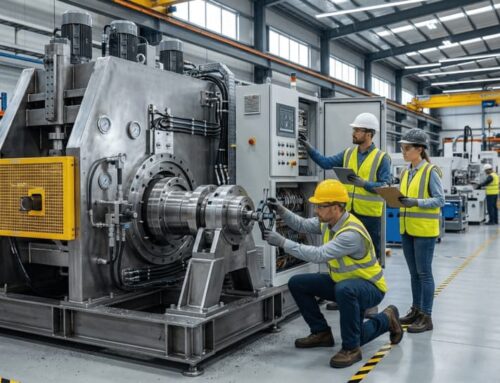
No matter how powerful a machine is, it will always require regular maintenance. If a machine is placed too close to a wall or if there is not enough service space around it, even the simplest maintenance task can take longer than necessary. This becomes especially costly during breakdowns.
There should be enough accessible space around the machine for the maintenance team to work comfortably. Limited access for routine tasks such as filter changes, part inspections, electrical work, or cleaning creates serious challenges on site. That is why maintenance access should be considered from the beginning of the planning process.
Placement May Vary According to Product Type
Not every facility operates in the same way. Some production areas follow a standard flow, while others process products with different sizes and requirements in the same space. In these cases, machine placement should be planned more flexibly according to the product type. Especially in facilities producing specialized products, the location of each machine should be determined not only by capacity but also by workflow and product movement.
This approach reduces unnecessary cross-movement and helps make production more controlled. Irregular material movement from one point to another causes time loss. A more clearly defined production flow makes both space management and production tracking easier.
Why Does Correct Machine Placement Make a Difference in Production?
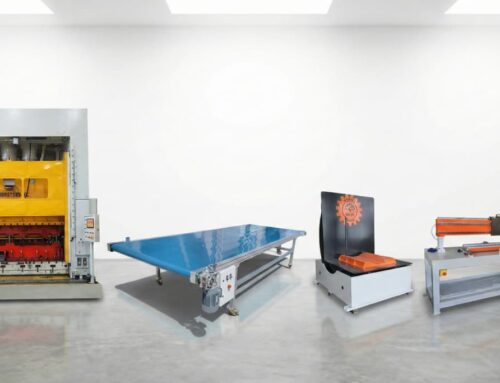
For companies operating in the industrial machinery sector, such as Meşe Makina, machine placement is one of the key parts of production planning. In sheet metal processing systems, press shop equipment, and similar applications, the position of a machine within the facility can affect workflow, space use, and the overall production setup. Therefore, when evaluating machinery investment, attention should be paid not only to technical specifications but also to the placement plan.
Conclusion
In industrial facilities, machine placement is one of the less visible but highly influential parts of production. A well-planned placement improves production flow, reduces operator movement, increases safety, simplifies maintenance, and supports more efficient use of space. At the same time, this planning should support not only today’s needs but also future growth targets.
In short, machine placement is much more than the question of where a machine can fit. The real question is how production can move forward in the healthiest and most efficient way. Plans prepared with this perspective contribute to the long-term performance of the facility.
Yorum yapın